
Buying a used car should be exciting, but there’s one problem that isn’t always obvious from a quick walk-around: the vehicle may not be what its number plate says it is. A car can look perfectly genuine, have convincing paperwork and even appear normal when you check its registration online, yet still be a cloned vehicle.
Vehicle cloning involves copying the identity of another legitimate vehicle, often one of the same make, model and colour. The copied registration is then used on another car to disguise its true identity. This can make a stolen or otherwise suspicious vehicle appear legitimate.
If you already own a car, cloning can cause a different headache. You might suddenly receive parking charges, speeding notices, toll charges or other correspondence relating to journeys you never made.
So, how to check if a car has been cloned isn’t simply a matter of looking up its registration number. You need to compare the vehicle itself with its official identity and history.
What Is a Cloned Car?
A cloned car is a vehicle that has been given identifying details copied from another legitimate vehicle.
In a typical case, someone finds a legitimate car with the same or very similar:
- Make
- Model
- Colour
- Age
- Specification
They then use its registration number on another vehicle. The genuine owner may have absolutely no involvement and might not realise anything has happened until fines or official notices start arriving.
Vehicle cloning can therefore create problems for both the person unknowingly buying the cloned vehicle and the innocent keeper whose registration has been copied.
Why Are Cars Cloned?
The basic purpose of vehicle cloning is to make one vehicle appear to be another.
A copied registration can help disguise a vehicle’s real identity. It may also result in fines and charges being sent to the registered keeper of the genuine vehicle rather than the person using the cloned registration.
That is why checking only the registration plate isn’t enough when buying a used car.
The Metropolitan Police advises buyers to check the V5C and ensure the Vehicle Identification Number (VIN) on the car matches the document. It also recommends checking more than one VIN location where possible.
How to Check If a Car Has Been Cloned Before Buying
There isn’t one magic test that proves a vehicle is genuine. A much safer approach is to check several pieces of information and see whether they all tell the same story.
1. Check the Registration Against the Vehicle
Start with the obvious details.
Enter the registration into the official GOV.UK vehicle information services and compare the returned information with the car you’re standing in front of.
Look at details such as the vehicle’s:
- Make
- Colour
- Date of first registration
- Tax status
- MOT information
- Engine details where available
A discrepancy deserves an explanation.
Imagine you’re viewing a black BMW, for example, but the registration comes back as belonging to a blue BMW. Don’t accept a casual explanation such as, “The database probably hasn’t updated.”
There can be legitimate reasons for some discrepancies, including properly recorded vehicle modifications, but they need to be verified rather than assumed.
2. Check the VIN Carefully
The Vehicle Identification Number is one of the most important checks you can make.
Every UK-registered vehicle should have a unique VIN. Depending on the vehicle, you may find it stamped into the chassis and displayed in other locations, such as near the windscreen or inside a door opening.
Don’t check only the easiest VIN to see.
Compare VIN locations on the vehicle with the VIN recorded on its documentation. The Metropolitan Police specifically advises used-car buyers to check more than one VIN where possible.
Watch for anything suspicious around the VIN area, including:
- Scratches or unusual tool marks
- Damaged or disturbed trim
- Misaligned plates or labels
- Signs of fresh paint
- Different fonts or spacing
- Evidence that a label has been removed or replaced
A VIN that doesn’t match the V5C is a major warning sign.
3. Compare the VIN With the V5C Log Book
The registration number and VIN shown on the vehicle should correspond with the information on the V5C registration certificate.
Don’t stop there.
Check whether other vehicle details on the V5C also match what you’re inspecting, including the make, model, colour and relevant technical information.
It’s also important to understand what a V5C proves. A convincing-looking log book shouldn’t be treated as proof by itself that the person selling the car is its legal owner or that the vehicle’s identity is genuine.
Think of the V5C as one part of your evidence, not the entire investigation.
4. Check the MOT History
The official MOT history can reveal inconsistencies that aren’t immediately obvious.
Look through previous records and pay attention to:
- Recorded mileage
- Test dates
- MOT failures
- Advisories
- Long unexplained gaps
- Mileage that moves backwards
- Details that seem inconsistent with the car’s apparent history
A normal MOT history doesn’t guarantee that a vehicle hasn’t been cloned. Remember, the registration you’re searching may belong to the genuine vehicle whose identity has been copied.
That’s exactly why registration-based checks should be combined with physical VIN checks.
5. Get an Independent Vehicle History Check
When you’re spending thousands of pounds on a used vehicle, an independent vehicle history report can provide another useful layer of protection.
Depending on the provider and report, these checks may help identify issues relating to theft, finance, previous registration information and other recorded vehicle history.
The Metropolitan Police recommends carrying out an HPI vehicle history check or similar report when buying a vehicle online, alongside checking its MOT history.
Don’t treat a clean report as an automatic green light, though.
A cloned registration may return information belonging to the genuine vehicle. The physical car still needs to match the identity shown in the report.
6. Compare the Car With Its Recorded History
This is where careful observation becomes valuable.
Suppose the history describes a particular model and specification, but the vehicle you’re inspecting has equipment, trim or other characteristics that don’t make sense.
One small difference might have an innocent explanation. Several inconsistencies are much harder to dismiss.
Pay particular attention to significant differences in:
- Model or variant
- Body style
- Engine specification
- Factory equipment
- Colour
- Approximate age
You aren’t trying to become a forensic vehicle examiner on someone’s driveway. You’re looking for a consistent identity.
If the paperwork, VIN, registration records and actual vehicle don’t line up, don’t ignore it.
Warning Signs of a Possible Cloned Vehicle
Cloning isn’t always obvious, but certain circumstances should make you more cautious.
Be particularly careful when:
- The VIN doesn’t match the V5C.
- Vehicle details don’t match official records.
- The seller won’t allow a proper inspection.
- VIN areas appear altered or damaged.
- The seller is pushing you to pay quickly.
- The price is unusually low without a convincing reason.
- The seller wants payment before you’ve seen the vehicle.
- The vehicle’s history contains unexplained inconsistencies.
- The seller can’t satisfactorily explain discrepancies.
None of these clues should be assessed completely in isolation. What matters is the overall picture.
A cheap car isn’t automatically cloned. A replaced number plate isn’t automatically suspicious either. But when several warning signs appear together, walking away can save you a very expensive problem.
How Do You Know If Your Own Car Has Been Cloned?
Sometimes you aren’t buying a car at all. You’re the legitimate owner whose registration has been copied.
The first warning can arrive unexpectedly.
You might receive:
- A speeding notice from somewhere you haven’t visited
- An unfamiliar parking charge
- A toll or road-user charge you don’t recognise
- Correspondence relating to an incident involving “your” vehicle
Before assuming cloning, check the date, time, registration and location carefully. Administrative mistakes can happen.
If the information clearly couldn’t relate to your vehicle, however, cloning becomes a genuine possibility.
For example, if your car was parked outside your home in Manchester but you receive a credible notice showing the same registration being used in London at the same time, that’s strong evidence that something needs investigating.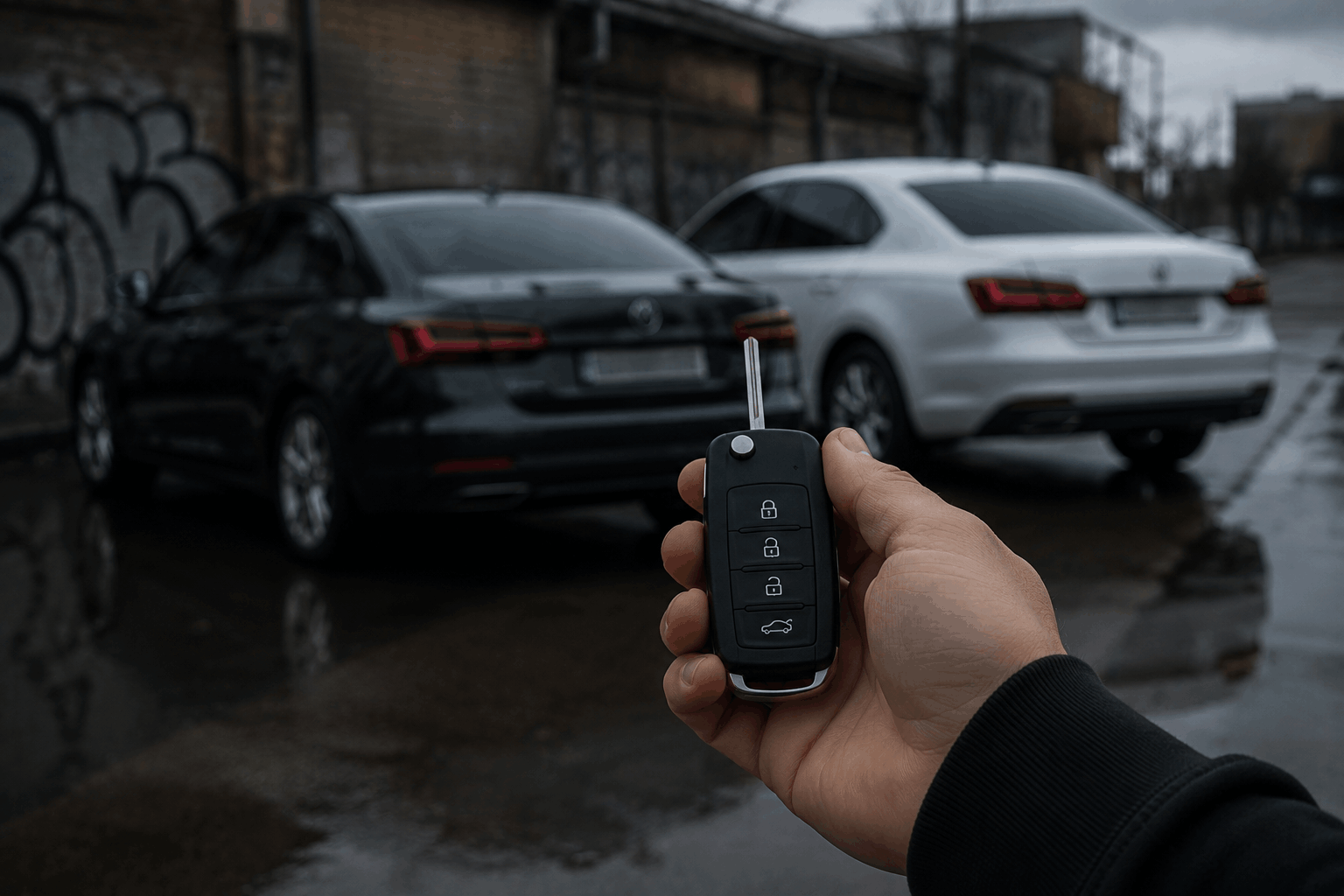
What Should You Do If You Think Your Car Has Been Cloned?
If you believe another vehicle is using your registration, don’t simply ignore the notices.
Official DVLA guidance says that if you’re receiving fines or charges because someone else is using your vehicle’s registration number, you should contact the police. You should also return fines or correspondence to the issuing organisation with evidence supporting your case.
DVLA guidance also advises writing to:
- DVLA
- Swansea
- SA99 1ZZ
Include the crime reference number provided by the police so DVLA can keep a record of the matter.
When challenging an incorrect fine or charge, useful supporting evidence could include photographs of your vehicle, proof of where it was at the relevant time and the police crime reference number.
Keep copies of correspondence and evidence rather than relying on memory if another notice appears later.
Can You Check for Cloning Using the Number Plate Alone?
Not reliably.
This is probably the most important point to understand when learning how to check if a car has been cloned.
If someone has deliberately copied the identity of a genuine vehicle, entering the registration into an online checker may simply show you the genuine vehicle’s perfectly legitimate records.
That can create false confidence.
A proper check involves connecting three things:
Registration details + vehicle documents + physical vehicle identity
The VIN is particularly important because every UK-registered vehicle must have a unique VIN.
If those pieces don’t agree, investigate before paying for the vehicle.
How to Reduce the Risk of Your Number Plate Being Cloned
You can’t completely prevent someone from seeing and copying your registration. Number plates are publicly visible by design.
You can, however, make physical plate theft more difficult.
Police crime-prevention guidance recommends securing number plates with tamper-resistant screws. This can make it harder for someone to simply remove your existing plates and use them elsewhere.
You should also be careful about what vehicle documents you publish online.
GOV.UK specifically warns sellers not to share pictures or copies of their V5C log book or its document reference number, as this information could be misused to obtain a fraudulent copy and put a vehicle at risk of theft or cloning.
So if you’re advertising your car privately, don’t upload a photograph showing your entire V5C just because a potential buyer asks to see “all the paperwork”.
Show legitimate buyers what they need during the proper buying process without unnecessarily publishing sensitive document information.
What If You’re Still Unsure About a Used Car?
Don’t allow the excitement of finding the right car to override obvious warning signs.
If something doesn’t make sense, stop the transaction until you’ve verified it.
A genuine seller should understand why someone spending a significant amount of money wants to check the VIN, V5C and vehicle history. Pressure to skip those checks should make you more cautious, not less.
For an expensive, unusual or particularly suspicious vehicle, consider getting an independent professional inspection before completing the purchase.
And never assume that a car must be genuine simply because the registration passes an online check.
Final Thoughts
Knowing how to check if a car has been cloned comes down to verifying the vehicle’s identity from several angles rather than trusting its number plate.
Check the registration against official records, inspect multiple VIN locations where possible, compare the VIN with the V5C, review the MOT history and consider an independent vehicle history report. Most importantly, look for consistency between the physical car and the identity recorded on paper and online.
If you’re already the registered keeper and begin receiving fines or notices for journeys you didn’t make, take them seriously. Gather evidence, report the suspected cloning to the police, challenge incorrect charges with the issuing organisations and inform DVLA using the police crime reference number.
With a cloned vehicle, the number plate is designed to make everything look normal. That’s why the safest approach isn’t to trust one check. It’s to make sure the whole story of the car adds up.