Why Independent Vehicle Inspections Matter
- Blog
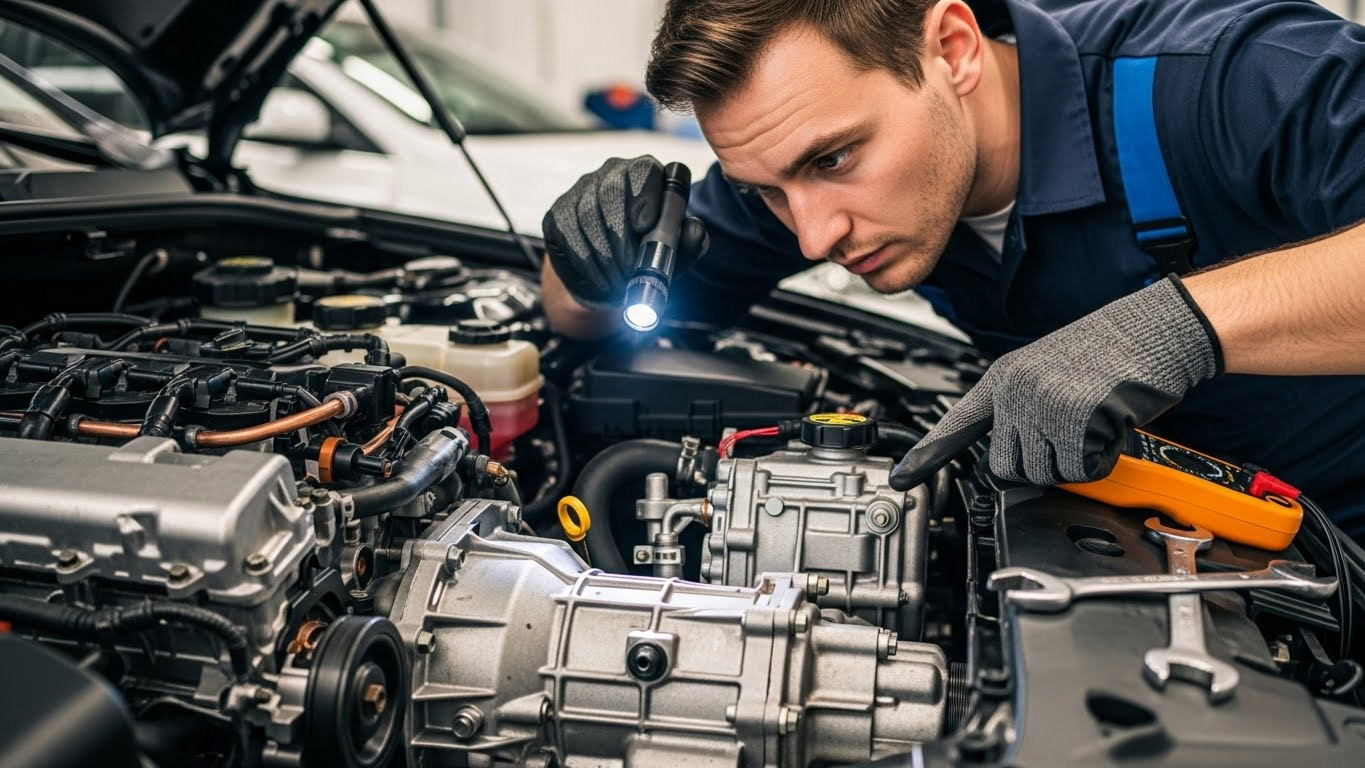
Buying a used car can be exciting, but it can also be one of the most financially risky purchases you make. A vehicle may look spotless, drive smoothly during a short test drive and come with a reassuring sales description, yet still hide mechanical problems that could cost thousands of pounds to repair.
That is where an independent vehicle inspection becomes valuable.
A professional pre-purchase car inspection gives you an impartial assessment of the vehicle before money changes hands. Instead of relying entirely on the seller’s description, the inspection provides evidence about the car’s mechanical condition, safety, maintenance and potential repair costs.
For used-car buyers across the UK, it can mean the difference between finding a dependable vehicle and purchasing an expensive problem on four wheels.
What Is an Independent Vehicle Inspection?
An independent vehicle inspection is a detailed assessment carried out by a qualified inspector who is not connected to the seller.
The inspector does not benefit from the sale going ahead. Their role is to examine the vehicle objectively and report their findings to the buyer.
Depending on the inspection package, the assessment may cover:
- Engine condition and visible fluid leaks
- Brakes, steering and suspension
- Tyres and wheels
- Gearbox and clutch operation
- Dashboard warning lights
- Electrical components
- Bodywork and signs of previous repairs
- Vehicle identification details
- Diagnostic fault codes
- Road-test performance
- General maintenance condition
The exact checks vary between providers, so buyers should confirm what is included before booking.
Once the inspection is complete, the buyer usually receives a written report explaining any faults, concerns and recommended repairs in straightforward language.
A Valid MOT Does Not Guarantee a Trouble-Free Car
One of the most common mistakes used-car buyers make is assuming that a current MOT certificate means the vehicle is mechanically sound.
An MOT confirms that the vehicle met certain minimum safety and environmental standards when it was tested. It is not a full assessment of the car’s reliability, maintenance quality or remaining component life.
The UK Government clearly states that a vehicle can still be unsafe even when it has a current MOT certificate. An MOT record may also include minor issues and advisories that should be monitored or repaired in the future.
For example, a vehicle may pass its MOT while still having:
- A clutch that is beginning to slip
- A noisy timing chain
- An intermittent electrical fault
- An oil leak that is not yet severe
- Worn suspension components
- Poorly repaired accident damage
- A battery approaching the end of its life
An independent inspection looks beyond the MOT certificate and considers the vehicle’s overall condition.
Hidden Faults Are Not Always Obvious
Modern cars are complicated machines. Many problems cannot be identified by checking the paintwork, starting the engine or taking a ten-minute test drive.
A seller may clean the engine bay, clear dashboard warning lights or warm the engine before you arrive. Some faults only appear during a cold start, under heavy acceleration or when the vehicle is driven at higher speeds.
Other problems may be hidden underneath the vehicle or stored inside its electronic control systems.
A diagnostic scan, for instance, can reveal fault codes recorded by the vehicle’s computers. These codes may relate to the engine, emissions system, airbags, anti-lock brakes or other electronic components.
The presence of a fault code does not always mean an immediate breakdown is likely, but it gives the inspector valuable information that a visual check alone may miss.
Independent Inspections Help Protect Your Money
A used car is rarely a small purchase. Even a relatively affordable vehicle can become expensive if major repairs are needed shortly after purchase.
Consider a buyer viewing a seven-year-old diesel car advertised at a reasonable price. The vehicle looks clean, has a current MOT and appears to drive normally.
During an independent inspection, however, the inspector notices excessive smoke under acceleration and identifies warning signs of a blocked diesel particulate filter. The clutch also shows early signs of wear.
Neither problem necessarily makes the car unusable, but both could lead to substantial repair bills.
The buyer now has several sensible options:
- Ask the seller to repair the faults
- Negotiate a lower purchase price
- Budget for the upcoming work
- Choose another vehicle
Without the inspection, the buyer might only discover the problems after completing the purchase.
You Can Negotiate with Evidence
Many buyers feel uncomfortable negotiating because they do not know whether a defect is serious or how much it may cost to correct. An inspection report changes that conversation.
Instead of vaguely claiming that the car “does not feel right”, you can refer to specific findings. These might include worn front tyres, leaking shock absorbers, damaged brake discs or evidence of poor-quality body repairs.
The report may help you negotiate a reduction that reflects the work required.
For example, if the inspection identifies several maintenance items likely to cost hundreds of pounds, you can ask the seller to either complete the repairs or adjust the price.
The seller does not have to agree, of course. However, you can make your decision using evidence rather than guesswork.
It Is Particularly Important When Buying Privately
Buying from a private seller can sometimes offer better value, but buyers generally have less legal protection than they would when purchasing from a motor trader.
When buying from a trader, the vehicle should be as described, of satisfactory quality and fit for purpose, taking into account factors such as its age, mileage, condition and price. Private purchases do not usually offer the same protection regarding satisfactory quality or fitness for purpose, although the vehicle must still match its description.
This makes a pre-purchase car inspection especially useful when buying privately.
Once payment has been made and the vehicle has been collected, resolving a disagreement with a private seller can be difficult. Identifying problems before purchase is usually far easier than trying to recover money afterwards.
It Complements Vehicle History Checks
A physical inspection should not replace administrative and history checks. The two work best together.
Before viewing a used vehicle, buyers should obtain its registration number and check the details held by the Driver and Vehicle Licensing Agency. The Government also recommends checking the MOT history, recall status, V5C registration document and vehicle identification number before completing the purchase.
The MOT history can show:
- Previous passes and failures
- Recorded mileage
- Recurring advisories
- The next MOT due date
- Components that previously failed
A repeated advisory can be revealing. If worn tyres, corrosion or suspension problems appear year after year, it may suggest that maintenance has been delayed.
Buyers should also check for outstanding safety recalls. Manufacturers will not usually charge for repairs or replacement parts required under an official safety recall.
However, online records cannot tell you everything about the car’s current physical condition. That is why combining history checks with an independent inspection provides stronger protection.
Previous Accident Damage May Be Difficult to Spot
Not every repaired vehicle should be avoided. A car that has received professional repairs may still be safe and reliable.
The concern is poor-quality or undisclosed repair work.
Signs of previous accident damage may include:
- Uneven gaps between body panels
- Differences in paint colour or texture
- Overspray around seals and trim
- Welding marks beneath the vehicle
- Poor wheel alignment
- Uneven tyre wear
- Warning lights relating to airbags
- Water entering the cabin or boot
An experienced vehicle inspector knows where to look for these clues. They may also use paint-depth equipment to identify areas that have been resprayed or filled.
This does not automatically prove that a vehicle is unsuitable. It does, however, help the buyer understand what they are purchasing and whether further investigation is necessary.
Inspections Are Valuable for Modern, Hybrid and Electric Cars
Modern vehicles contain more electronics, sensors and computer-controlled systems than older cars. Hybrid and electric vehicles also introduce components that require specialist knowledge, including high-voltage batteries and electric drive systems.
When considering an electric or hybrid vehicle, buyers may want an inspection that includes:
- High-voltage warning checks
- Charging-port condition
- Battery health information, where available
- Charging cable inspection
- Dashboard and diagnostic warnings
- Cooling-system checks
- Electric motor operation
Not every standard inspection includes a detailed traction-battery assessment. Buyers should therefore choose a provider with suitable experience and confirm the level of testing offered.
When Is an Independent Inspection Most Important?
A professional inspection is sensible for most used-car purchases, but it becomes particularly important when:
- Buying from a private seller
- Purchasing the vehicle remotely
- Spending a significant amount of money
- Buying a performance or luxury car
- Considering an older or high-mileage vehicle
- Buying a hybrid or electric vehicle
- The service history is incomplete
- The MOT history contains repeated advisories
- The vehicle has previously been written off
- You have limited mechanical knowledge
- The seller is encouraging a quick decision
Pressure is a warning sign. A trustworthy seller should normally allow reasonable checks and give you enough time to make an informed decision.
What Should You Do After Receiving the Report?
Read the complete report rather than focusing only on whether the inspector recommends buying the car.
Used vehicles will often have some wear, particularly when they are older or have covered higher mileage. The important question is whether the vehicle’s condition is reasonable for its age, price and description.
Separate the findings into three groups:
- Immediate safety concerns: Problems that should be repaired before the vehicle is driven.
- Upcoming maintenance: Components that are still working but may need attention soon.
- Minor or cosmetic issues: Defects that do not significantly affect safety or operation.
Ask the inspector to explain anything you do not understand. A reliable inspection service should describe technical findings clearly without using confusing workshop jargon.
Confidence Before Commitment
An independent inspection cannot promise that a used vehicle will never develop a fault. Cars contain thousands of components, and no inspection can dismantle every part or predict every future failure.
What it can do is significantly reduce uncertainty.
A professional pre-purchase car inspection helps uncover visible defects, warning signs and maintenance concerns before you commit your money. It can also strengthen your negotiating position and help you avoid vehicles that carry unacceptable financial or safety risks.
The cost of an inspection is small compared with the potential cost of repairing a failing engine, gearbox, electrical system or hybrid battery.
When buying a used car in the UK, do not rely solely on a polished advert, a current MOT or the seller’s assurances. Arrange an independent vehicle inspection, review the vehicle’s history and make your decision with clear evidence.
A good used car should deliver freedom and convenience, not an unexpected subscription to your local garage.